Situated in the heart of Tuscany’s prestigious Maremma coast is the spectacular estate and oldest winery in the Bolgheri region. It sits at the end of one of Italy’s most famous roads. It is the Castello di Bolgheri winery. The castle and estate have been in the hands of the Counts della Gherardesca for centuries. A perfect blend of history and world class wine awaits my meanderings.
Uncorking History: Why Castello di Bolgheri is the Ultimate Destination for Wine and History Lovers
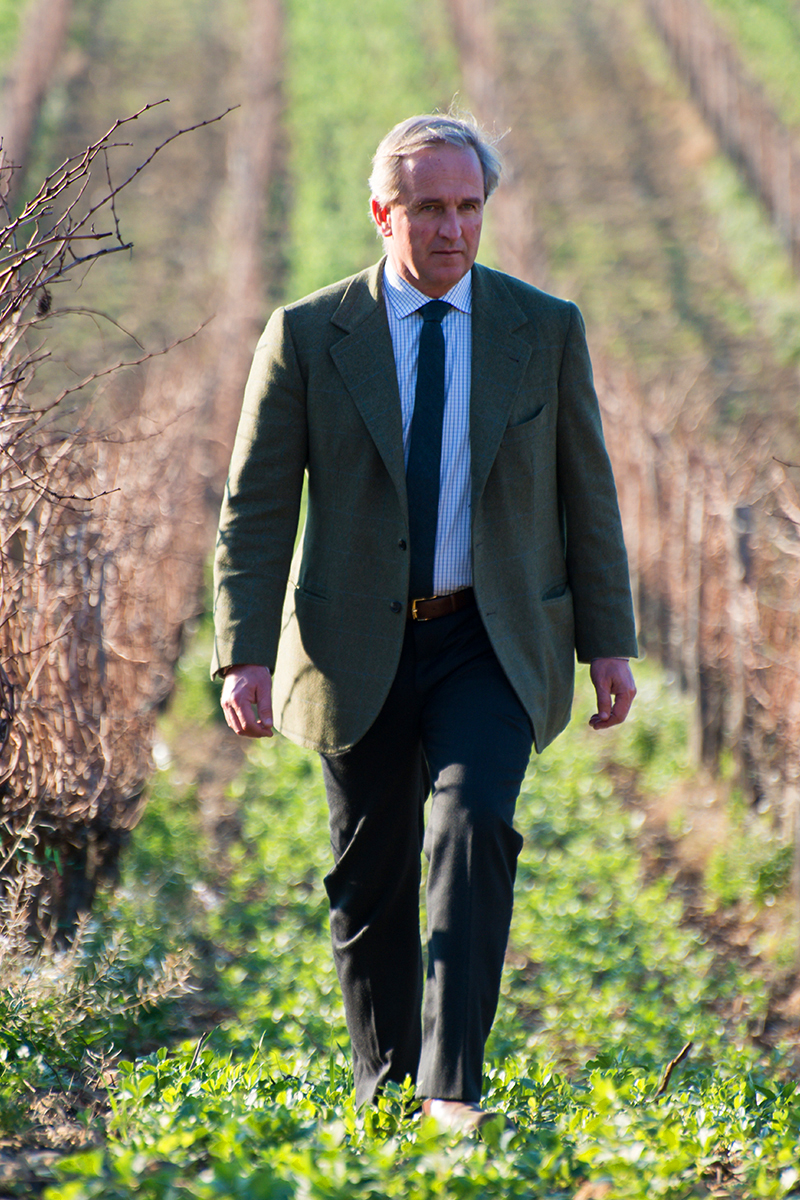
To help me unlock the history and flavours of the Castello di Bolgheri and show me why Bolgheri is the ultimate destination for wine and history lovers is Clemente Zileri Dal Verme. Clemente is the son of Federico Zileri Dal Verme and the man behind the estate and wine making resurgence.
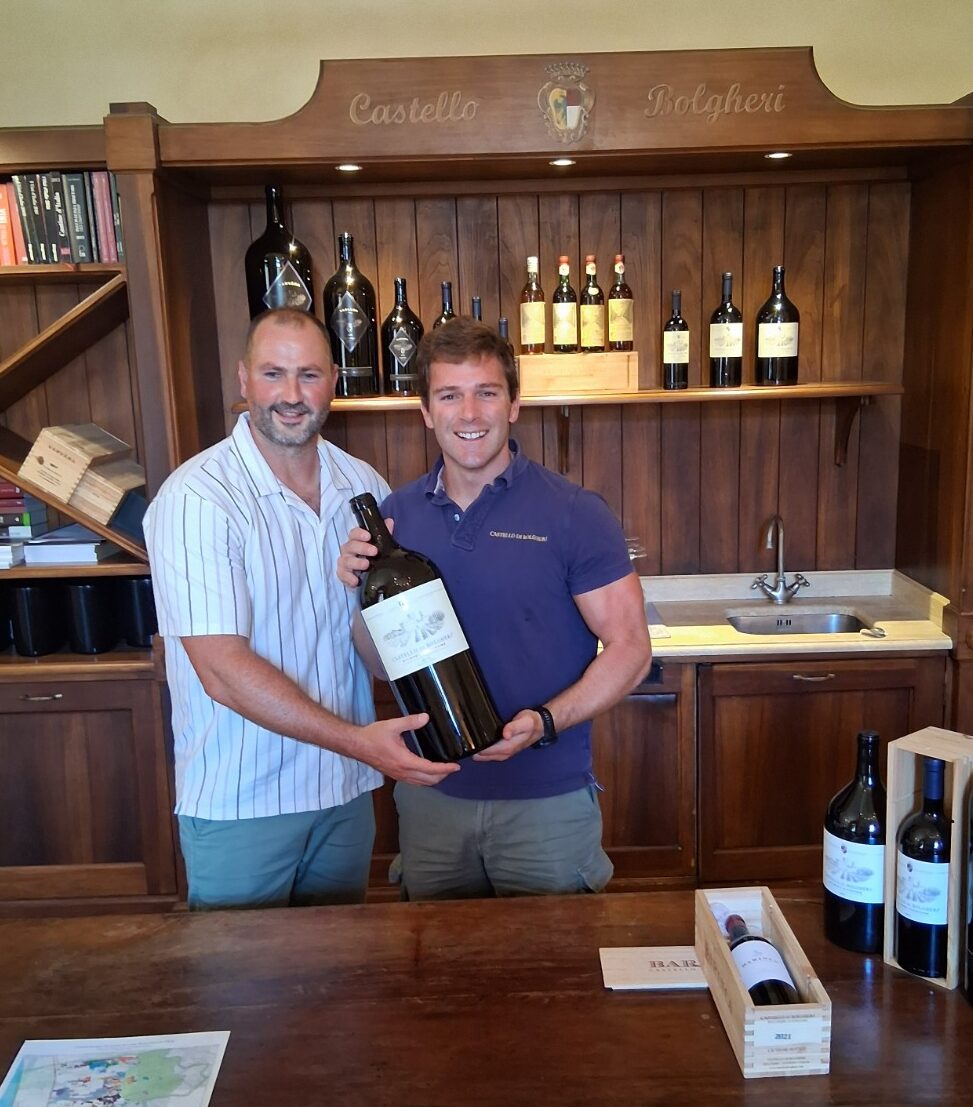
Clemente’s local knowledge comes to the fore as he passionately explains and shows me his family’s estate & winery and the village. A proud custodian of the Castello he is blessed as a fount of knowledge and has vibrant energy which is infectious.
The tiny village of Bolgheri oozes that Tuscan charm and is free from bustling crowds. It’s entrance seems medieval, with towering wooden gates, a coat of arms proudly displayed and a watchtower above the stonework. Yet inside the gates modern Italian hospitality is in abundance.
The soothing sounds of the countryside can be heard as I walk around and admire the tiny village. The general chit chat on local affairs of a small community warmly fills the air. Locals welcome visitors gleefully. Restaurants open their doors, shops are awash in displays of colourful gifts, with the church brooding silently in one corner.
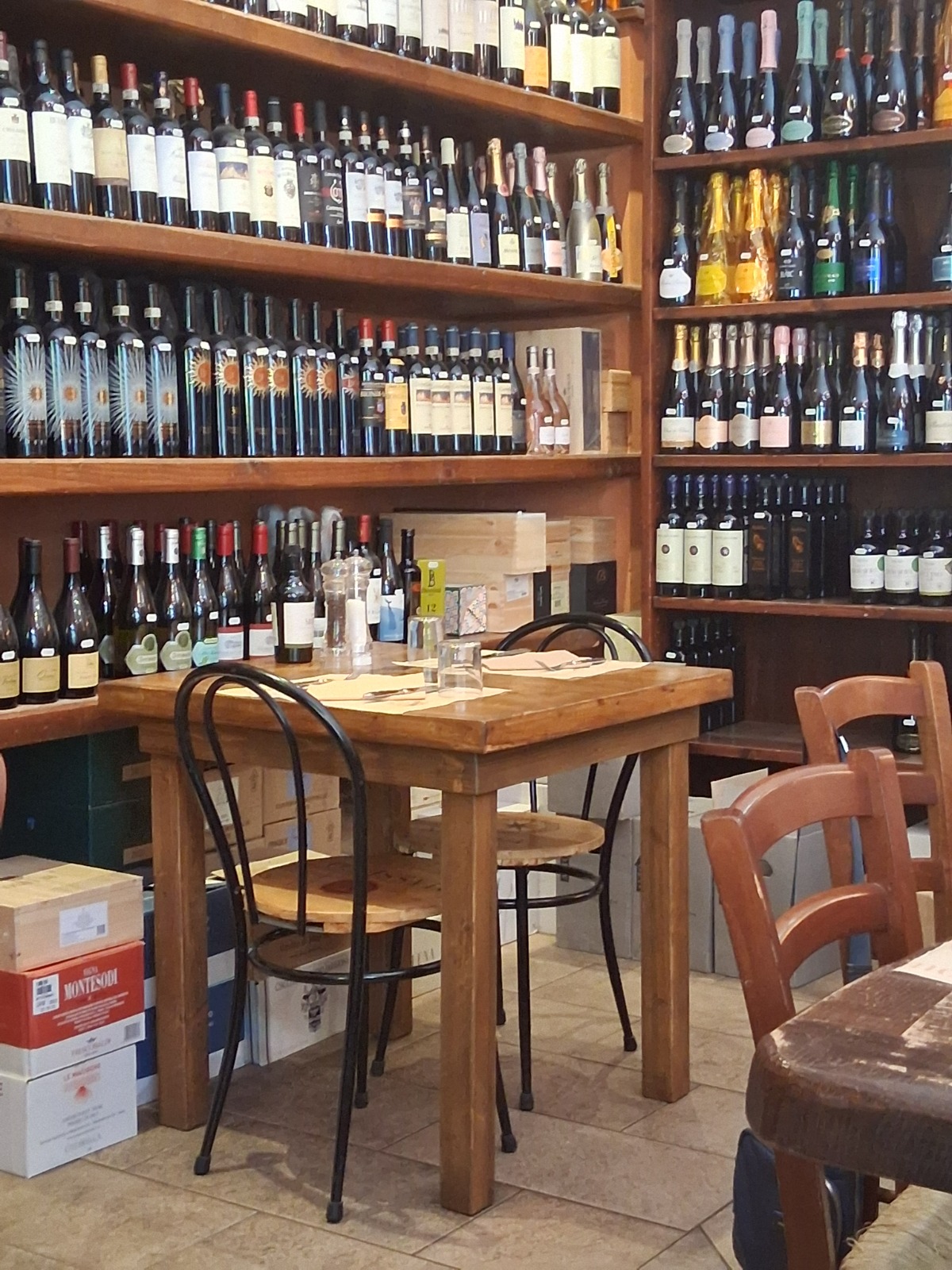
The Enoteca Tognoni is Castello di Bolgheri’s neighbour and Clemente’s recommendation for lunch. Boy, he wasn’t wrong. Truly delicious food served in a cosy venue surrounded by bottles of wine.
There are three churches, Chiesa dei Santi Jacopo e Cristoforo sits inside the village walls (open to visitors). Chiesa di Sant Antonio sits on the famous Viale dei Cipressi and is the family church (sadly closed). Church of San Sebastiano also sits on the famous Viale dei Cipressi.
But before I tuck into some Tuscan dishes let us visit the historic heart of the famed Bolgheri DOC. Where a 13th century castle and world class wine making converge. The Castello di Bolgheri is not just a travel destination. It is a pilgrimage of sense, heritage and viticulture (the agricultural science, cultivation, and harvesting of grapevines).
The story written in the Stones: 13th-Century Roots
Before the Bolgheri region became a global powerhouse for Super Tuscans much of the area was marshland and controlled by the Counts della Gherardesca.
This was an ancient Italian noble family of the Republic of Pisa. Bolgheri’s hilltop location clearly was of strategic importance and ensured that it formed part of the historical defensive system of the area. In these early years wine making was done on the hills that surround Bolgheri and not in the current location (former marshland).
Around the end of the 17th century Clemente’s forefathers began to improve the lands within their territory. Agriculture practices, viticulture and land development began to take shape as the first vineyards were laid in San Guido and Belvedere. Success naturally brought expansion, as more farmlands and wineries were opened up between the town and coast over the coming years.
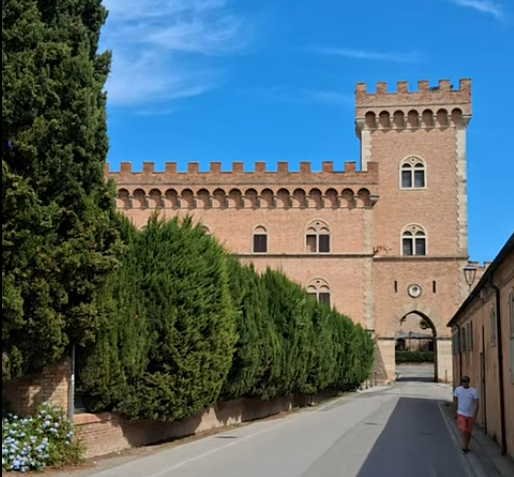
With continuing success other notable developments took place. The Castello di Bolgheri’s historic cellar was built in 1796. Yet the greatest development that took place was at the behest of Guidalberto Della Gherardesca who decided to plant the famous cypress tree avenue (see below under Viale dei Cipressi) that connects San Guido and Bolgheri. Finally, in 1895 the iconic tower of the castello was completed.
Castello di Bolgheri: Family Connections
At the beginning of the 20th century there were two brothers, Ugolino and Giuseppe Della Gherardesca. Ugolino married Russian Baroness Varvara Wrangel and Giuseppe married American Harriet Taylor. Both brothers had daughters that would greatly impact the landscape.
Giuseppe had two daughters, Clarice and Marchese. Clarice married Marchese Mario Incisa della Rocchetta and Carlotta married Marchese Niccolo Antinori. Both marriages gave rise to other famous names in the area.
For those that don’t know Marchese Mario Incisa was born in Rome from a Piedmontese family. His passion for winemaking, discovery of the terroir of the area led to the creation of Sassicaia.
Carlotta’s marriage gave rise to the Guado al Tasso estate as well as x3 children, Piero, Lodovico and Ilaria. Ilaria didn’t get involved in the family business. Piero became the owner of Marchesi Antinori and Lodovico created Ornellaia and Masseto.
Most importantly for the history of Castello di Bolgheri is Ugolino’s marriage to Baroness Varvara Wrangel. This marriage bore two daughters. One of whom was Clements’s great-grandmother, Alessandra Della Gherardesca.
Alessandra continued winemaking on parcel of land that she inherited. It was primarily a domestic wine until Clemente’s father started an exciting new project. Her legacy was to trademark the name ‘Castello di Bolgheri’. Maybe she new something about the future……
So, in that generation, the Della Gherardesca family had essentially passed the estates through the female line. This is why the family names changed through the marriages, while the properties remained within the wider family network. The complex nature of family heritage is mind boggling and difficult to understand. Thank you to Clemente for helping me break it all down.
Castello di Bolgheri may not have gory stories or famous battles to relate, but it has remarkably remained in the della Gherardesca family all these years. Impressive, almost unbelievable, yet true!
The Poetry of the Landscape: Viale dei Cipressi
The iconic Viale dei Cipressi (avenue of Cypress Trees) is truly something to behold. If ever there was a “Tuscan” road then this is it. It is a long stretch of road (roughly 5km) guarded on either side by towering cypress trees. There are over 2,500 trees planted alongside that road.
Immortalised by the Nobel Prize-winning poet Giosuè Carducci, the beautiful Viale dei Cipressi poetically and photogenically connects the oratory of San Guido to the medieval village of Bolgheri. As you join the avenue of cypress trees from the main road you will notice a small obelisk which was put there in 1908 by Giuseppe Della Gherardesca to commemorate the famous poet.
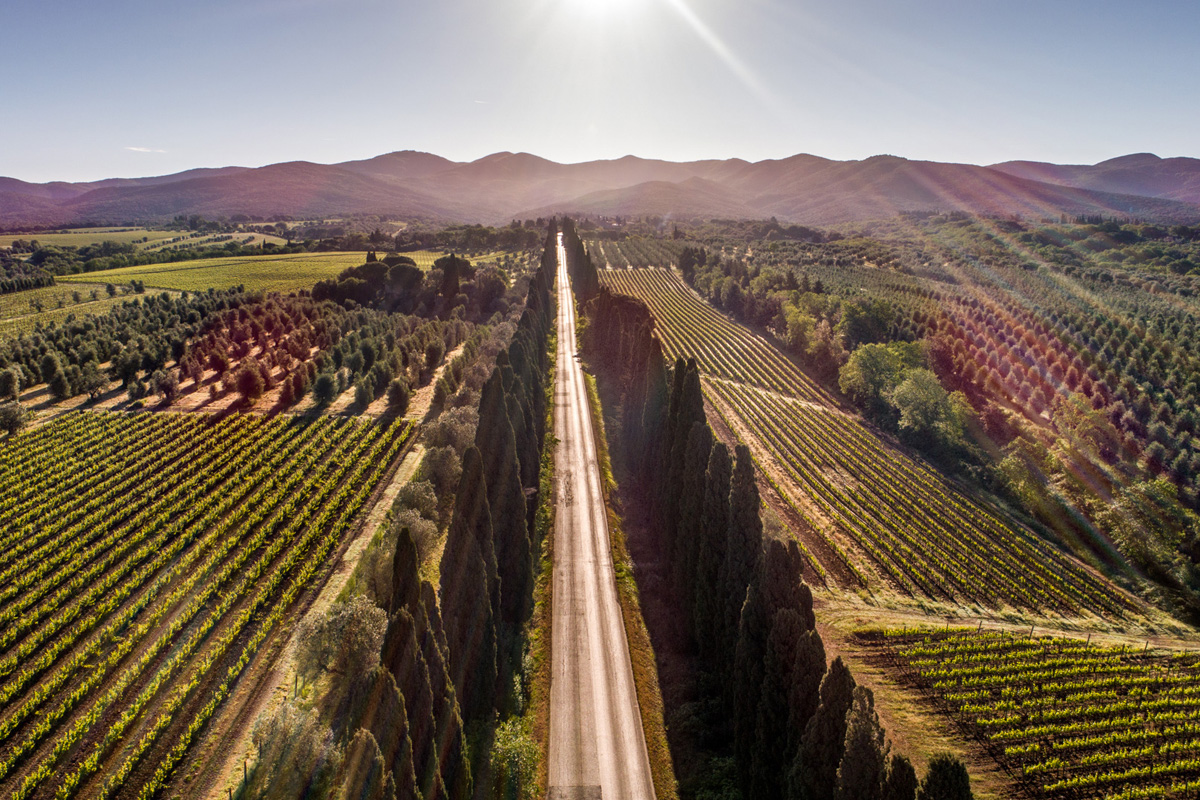
Perhaps the count knew there was something special about this region. The cypress trees are perpendicular to the Tyrrhenian Sea. Which allows for a constant maritime breeze to cool the grapes during hot summer days and create the perfect microclimate.
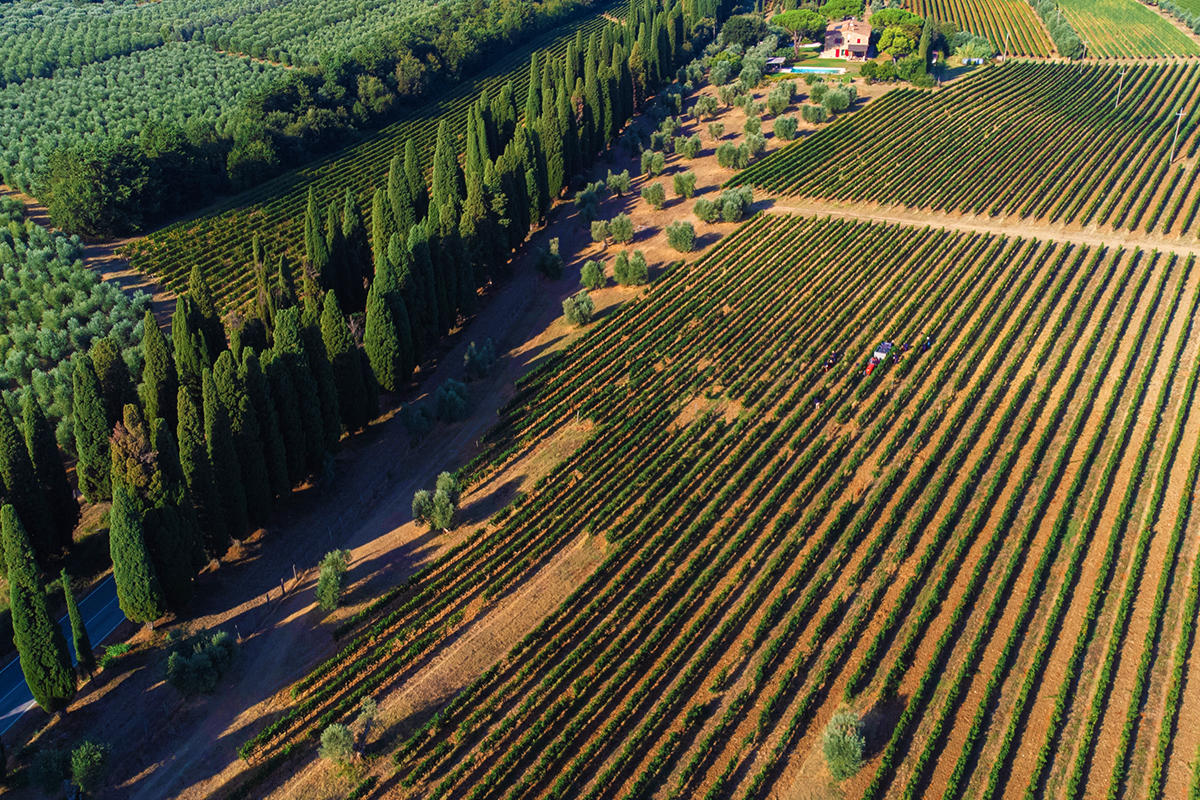
The Viale dei Cipressi acts like the main artery of the Bolgheri DOC, with the majority of the vineyards spurring off of it. The vineyards of the Castello di Bolgheri flank this legendary road for the last kilometre as you approach the village.
As Clemente shows us around I witness the vines perfectly laid in the ground like the strings of a harp.
The Liquid History: Crafting the Super Tuscan Terroir
Wine has been growing in the area for centuries. Initially wine used to be grown on the hillside surrounding Bolgheri as the flat terrain was swampland. The estate’s “old” vineyards were planted with Italian varieties such as Trebbiano, Malvasia, Sangiovese and Canaiolo. These grapes were used by other established wineries.
But in 1995 Clemente’s father (Federico) decided to start a new project – Azienda Agricola Castello di Bolgheri. “The philosophy has always been to focus on the work in the vineyard and to mirror the terroir’s (the natural and human resources that are needed to make wine) essence in the cellar”. Federico set about his revolution by substituting the traditional Italian grape varieties to Bordeaux varietals. His decision followed the success of “Sassicaia”. The Bolgheri terroir proved an extraordinary ability to express the French grape.
The decision has proved a masterstroke. Federico has pursued, and with great success, the production of wines that represent the highest expression of Bolgheri’s terroir in terms of complexity, elegance and longevity. I’m sure the journey has had many ups and downs. For all its history I’m sure the historic cellar makes the production of great wine both challenging and yet rewarding.
Cabernet Sauvignon: The backbone of their signature blends, providing depth, structure, and intense dark fruit notes.
Cabernet Franc: Adds unparalleled elegance, spice, and aromatic complexity.
Merlot: Brings velvety roundness, silky tannins, and a lush texture to the finish.
Petit Verdot: Used precisely to add colour, nuance, and character to their dynamic portfolio.
My visit to Castello di Bolgheri coincides with the beginning of this year’s harvest which was fascinating to watch. The Bolgheri DOC rules stipulate that the grapes are handpicked in the fields and brought to the cellar entrance. A labour of love unfolds as the process of taking a grape to a bottle of wine commences. Sorting, fermentation, aging and bottling. Federico is very hands-on as he oversees the harvest. In 2005 – 10 years into the project Alessandro Dondi joined the property and embraced the project.
Bottling the character of Castello di Bolgheri
The winery now produces wines that embody the essence of the territory. The wines express balance, integrity, and elegance with refinement, in a perfect harmony of tradition and identity.
As we take a seat in the higher level of the cellar, bottles of the Castello di Bolgheri production are brought to the table. Tasting the wine is a wonderful sensory experience. As I taste the wine its character comes to the fore. The tasting includes the Varvara, Flocco and its namesake bottle, the Castello di Bolgheri.
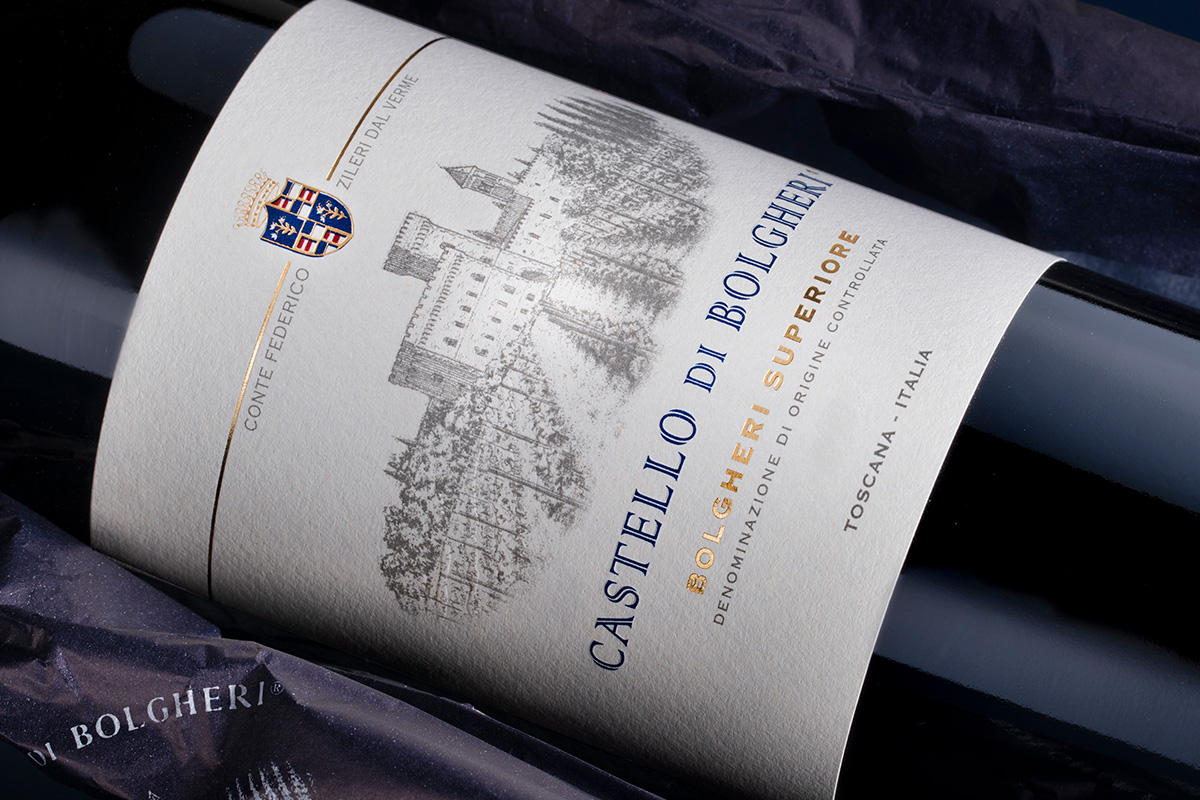
Castello di Bolgheri – A selection of Castello’s best vineyards makes this wine the highest expression of the estate’s philosophy and standard. Handpicked before ageing in oak barrels which are carefully placed in the 18th-century cellar.
2022 Blend – 75% Cabernet Sauvignon, 20% Cabernet Franc & 5% Merlot
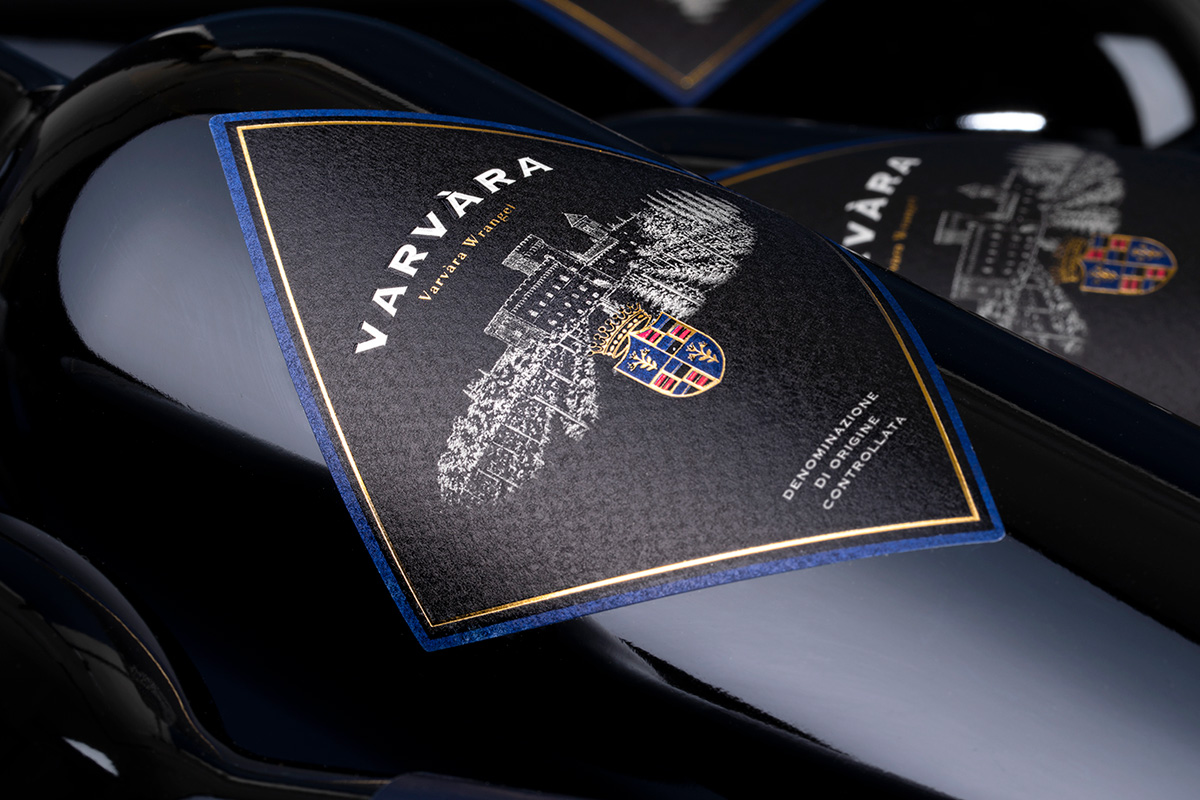
Varvara – The name Varvàra is in honor of Baroness Varvàra Wrangler, wife of Count Ugolino della Gherardesca and great-grandmother of Count Federico Zileri Dal Verme, the current owner. Harmony and elegance in a wine that offers an immediate expression, aiming at a rich, precise and elegant taste.
2023 Blend – 60% Cabernet Sauvignon, 25% Merlot, 10% Cabernet Franc & 5% Petit Verdot
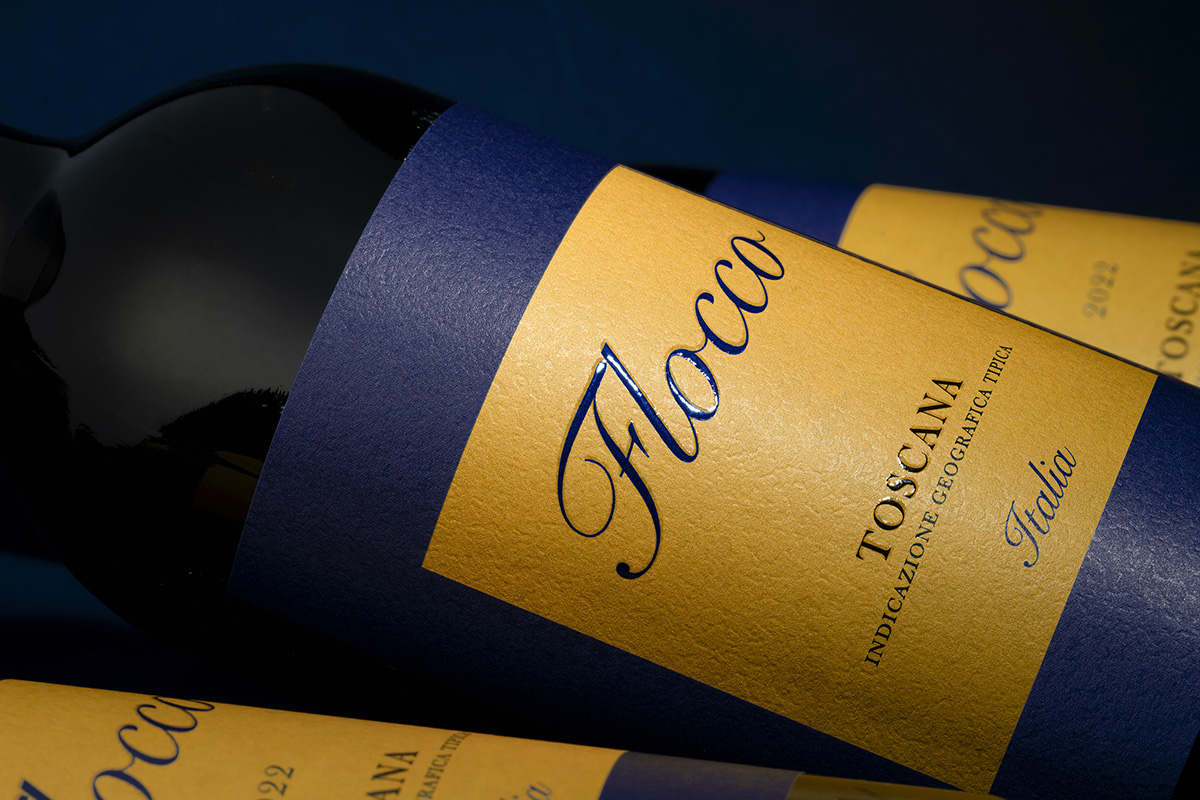
Flocco – From the vineyards of the Poggio a Poppiano estate, on the hills of Montespertoli, comes a wine that captures the essence of the territory.
2023 Blend – 60% Cabernet Sauvignon, 25% Merlot, 10% Cabernet Franc & 5% Petit Verdot
Planning Your Visit to the Historic Enoteca
Take it from me, there is more to Tuscany than Florence, Pisa et al. This was the first time for me in this part of the region, and it certainly didn’t disappoint. Those travellers looking to fully immerse themselves in this historic wine country, this estate offers an unparalleled experience.
The Tasting Experience: The perfect way to better understand this fascinating and historic place. Sample the estate’s current releases and library vintages at the official enoteca and cellar located on Via Lauretta right inside the village.
Stroll the Hamlet: After a tasting, wander the intricate stone alleyways of the village, explore artisan boutiques, and dine on classic Tuscan food. Remember Clemente’s recommendation!
Historical Stay: The estate even rents out a beautiful restored historic farmhouse Podere Sant’Antonio. Just a 100m form the castello just off the Viale dei Cipressi, allowing you to wake up surrounded by vines and history.
Purchasing Castello di Bolgheri
When you raise a glass at Castello di Bolgheri, you aren’t just drinking a phenomenal wine. You are tasting centuries of noble heritage, the cooling breezes of the Mediterranean, and the enduring passion of a family that has lived and protected this land since the Middle Ages.
UK – For those living in the UK, two options are available Berry Bros. & Rudd of London
Or
Brunswick fine wines – Brighton
For those of you in America, fear not! The Castello di Bolgheri works with Terlato for importing.
Conclusion
Castello di Bolgheri Winery delivers history and world class wine. The ambition of Conte Federico Zileri Dal Verme is there to taste as the wines represent some of the highest expressions of Bogheri. My thanks to Clemente for inviting me to visit and learn about Castello di Bolgheri and the town he calls home.
Clemente’s warming welcome has whetted the appetite to return. Not only to revisit his historic winery but explore the rest of the appellation. Hopefully I will visit some of the other reputed wineries in the area and further explore the family’s fascinating history.
For those looking to visit Tuscany, ignore the medieval village of Bolgheri at your peril. Surely a must stop on a Tuscan itinerary.
Can’t make it to Tuscany just yet? Bring the historic flavours of the Maremma coast right to your dining room table. A good investment, be sure to let me know if you enjoy the taste as much as I did.
Where does your love of history and wine take you? Drop a comment below with your favourite historic wine region or sign up to the site to get exclusive travel guides, tasting notes, and hidden European gems delivered straight to your inbox!
One Reply to “Castello di Bolgheri: My love of history and wine combine”
Superb work.