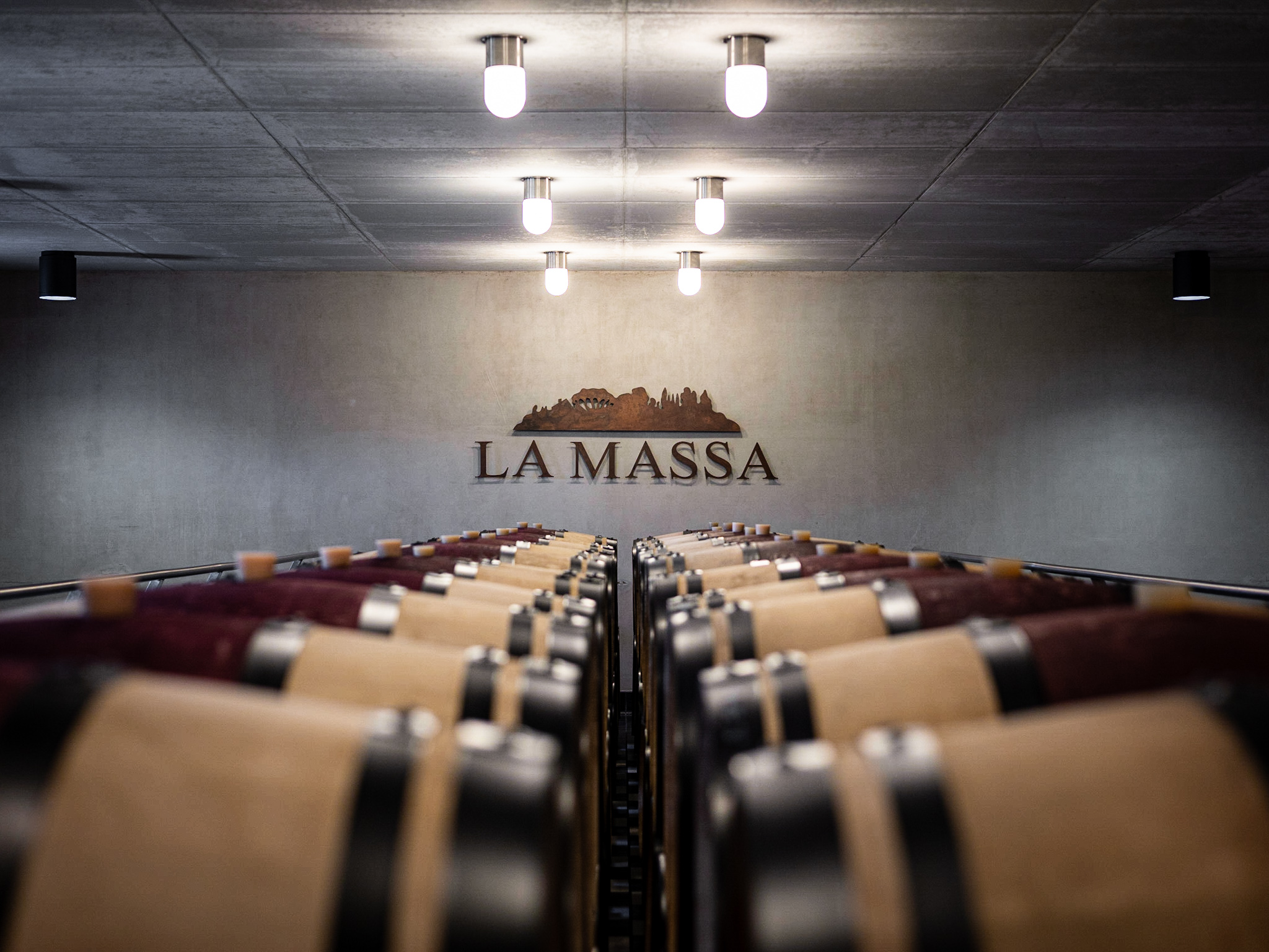
If you’re visiting the beautiful hilltop town of Panzano in Chianti, a visit to Tenuta La Massa offers a fascinating insight into the passion, precision and philosophy behind some of Tuscany’s most distinctive wines.
From exploring the estate and discovering Gian paolo Motta’s unconventional approach to winemaking, to tasting La Massa, Carla 6 and the flagship Giorgio Primo, this is a journey into the story behind a remarkable collection of Toscana IGT wines.
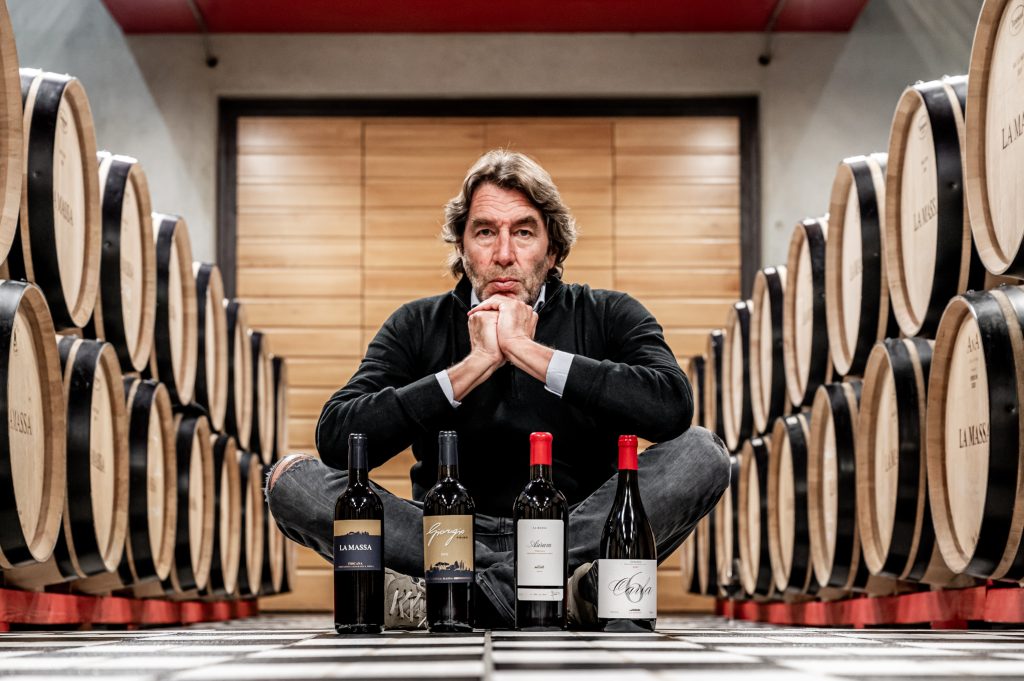
Tenuta La Massa is not simply a winery. It is an idea of wine, territory and a way of life. What began as one man’s dream has become a journey of sacrifice, respect, passion and, ultimately, exceptional wine.
The Story of Tenuta La Massa and Gian Paolo Motta
Tenuta La Massa is where the dream of Gian Paolo Motta took shape. Born in Naples, he became Tuscan by choice, by love and, ultimately, by destiny.
Gian Paolo was born into a Neapolitan family that were leaders in the leather industry. Surely, a role in the family business was the life planned for him. Gian Paolo, though, had other dreams. His mother and grandfather were key influences in his life, as we will discover later.
In the 1980s, Gian Paolo set off for Bordeaux, where he took a summer job among the famous vineyards. It was here that his love affair with extraordinary wines began. His experiences in Bordeaux, where he met and worked with legendary winemakers, profoundly shaped his path.
After several summers in Bordeaux, Gian Paolo made his way to Tuscany. His journey took him to Panzano, where he worked at Castello dei Rampolla. Then, in 1992, the opportunity to purchase 27 hectares of vineyards at neighbouring Tenuta La Massa presented itself.
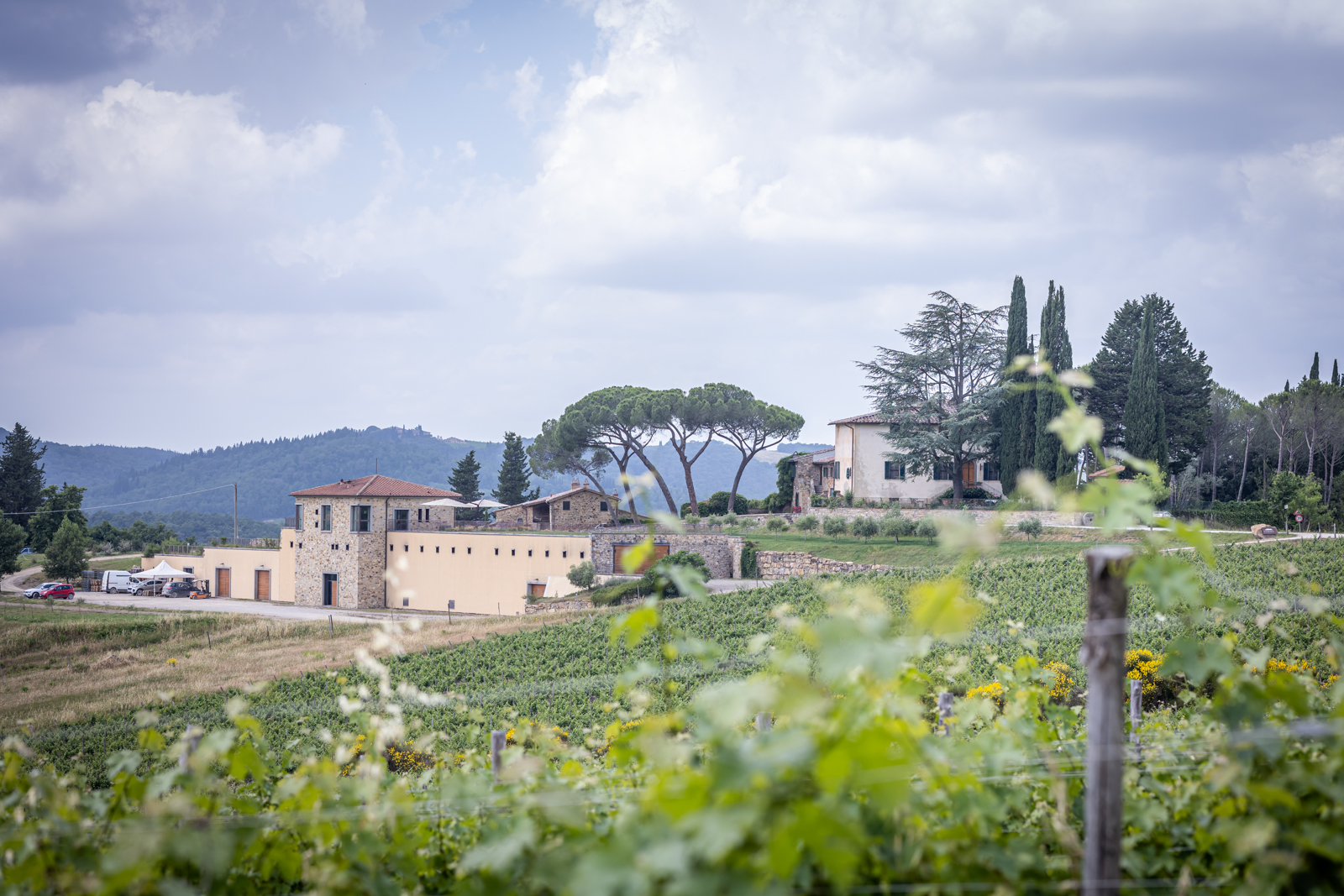
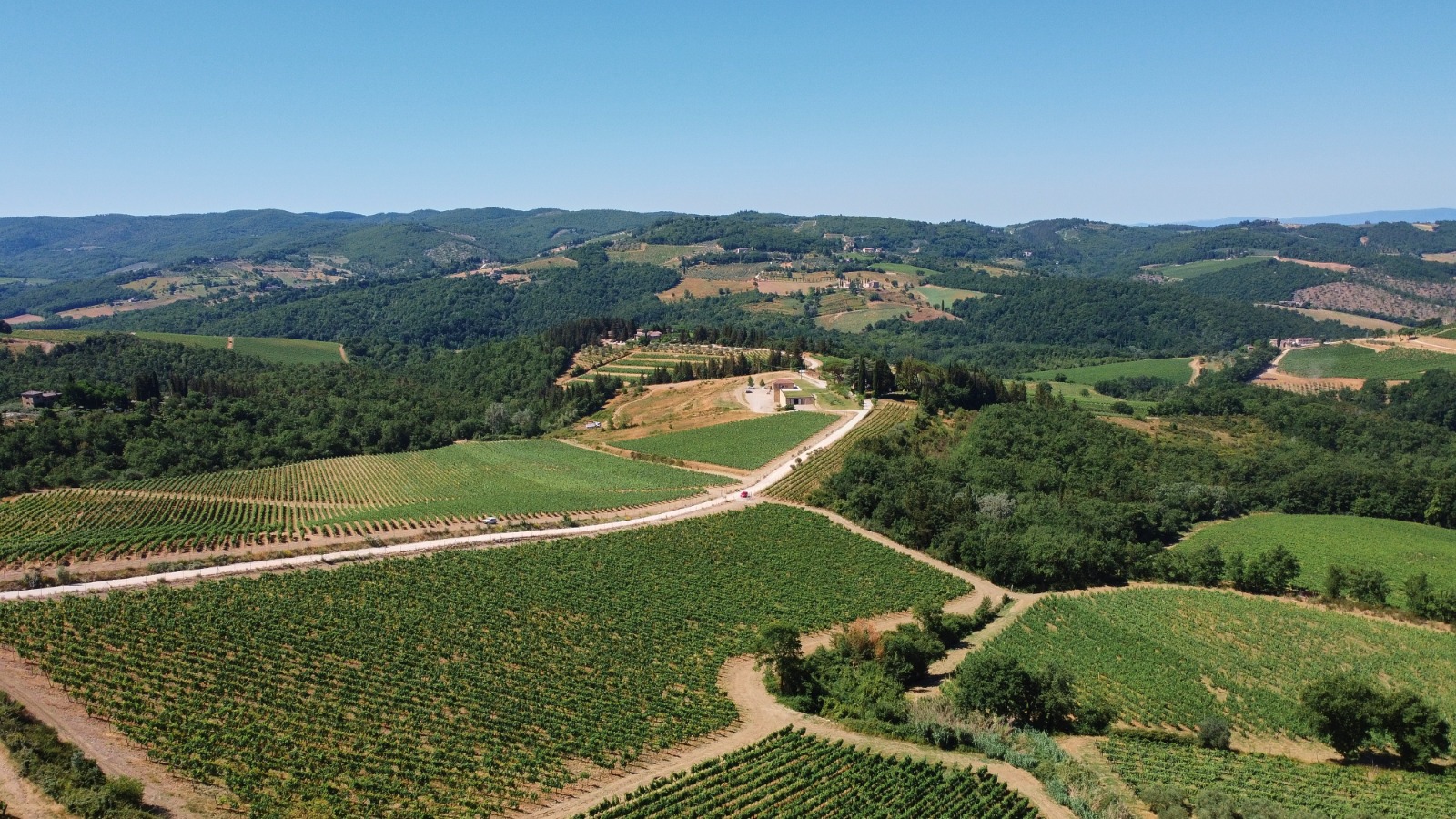
And so, Tenuta La Massa was born on the slopes of the Conca d’Oro in Panzano in Chianti.
The Conca d’Oro in Panzano
Conca d’Oro translates as ‘Golden Basin’. The famous south-facing, amphitheatre-shaped valley has created what the estate considers ideal conditions for ripening grapes.
Before becoming a haven for vineyards, the land was heavily planted with wheat. One can imagine the golden blanket spread across the land come harvest time in years gone by. The land was so valuable that Florence and Siena fought over ownership for centuries.
Gian Paolo wasn’t one to dwell on historic territorial ownership, however. This land was now his, and he was a man on a mission.
His curiosity led him, in 2000, to team up with the University of Bologna to study his land in detail. As many as 70 drillings were carried out to better understand the estate.
The study gave Gian Paolo an incredible blueprint of his land, revealing its complex and diverse nature. The results showed an extraordinary 25 different soil types.
For Gian Paolo, understanding the land was the beginning of understanding the wines.
Is Tenuta La Massa Chianti Classico?
Although Tenuta La Massa is located in Panzano in Chianti, its wines are not Chianti Classico DOCG. This distinction is central to the story of the estate.
After the extensive land surveys were completed, Gian Paolo ripped out the existing vines and replaced them with varieties better suited to the different soils. Most of the land wasn’t considered suitable for growing Sangiovese, so only a small parcel was retained for the key Tuscan grape.
Influenced by his time in Bordeaux, French varieties were planted as Gian Paolo sought a more terroir-focused approach to production.
This was more than a bold decision; it was a statement of intent. His ideas challenged the orthodoxy of classic Chianti, and approaches were made to the DOC about changing the rules. You can imagine the answer.
In 2002, Gian Paolo left the DOC and began creating his wines under the IGT designation — Indicazione Geografica Tipica.
Free from prior regulations, he set about creating wines that expressed his personality, sacrifice and journey.
The first ‘Super Tuscan’ duly arrived in 2002, with a touch of humour on the label.
A close inspection reveals a depiction of the historic black rooster symbol associated with Chianti Classico hanging by its neck. It was a provocative statement of Giampaolo’s belief that bureaucracy could hold back the development of the appellation.
Leaving the prestige of the Chianti appellation was certainly a bold decision. Yet it was backed by an unwavering belief in his vision.
It is that decision that is an important part of what makes Tenuta La Massa so interesting today: the estate is rooted in the landscape of Panzano while taking a distinctly individual approach to Tuscan winemaking.
Inside the Tenuta La Massa Winery
The Tenuta La Massa winery is as striking as the philosophy behind the wines.
The ultra-sleek winery was designed by French architect Bernard Mazieres, a leading figure in winery design who has previously worked with prestigious Bordeaux estates including Château Latour and Château Mouton Rothschild.
The structure is impressive, but it is also highly practical.
Every detail of the winemaking process has been considered, with gravity playing a central role in creating operational efficiency.
As I walked around, the clinical precision of the design was impressive.
The inspiration behind the striking build comes from another of Gian Paolo’s great passions: Ferrari Formula 1 cars.
At first, the aesthetics were almost lost on me as I stood admiring the design. But as the tour continued, the references became increasingly obvious.
Winemaking with a Ferrari influence
I entered the Tenuta La Massa winery just as harvest was beginning.
Gian Paolo was overseeing the arrival of that year’s grapes. They had been handpicked in the vineyards I had just seen as I drove past before being transported to the winery.
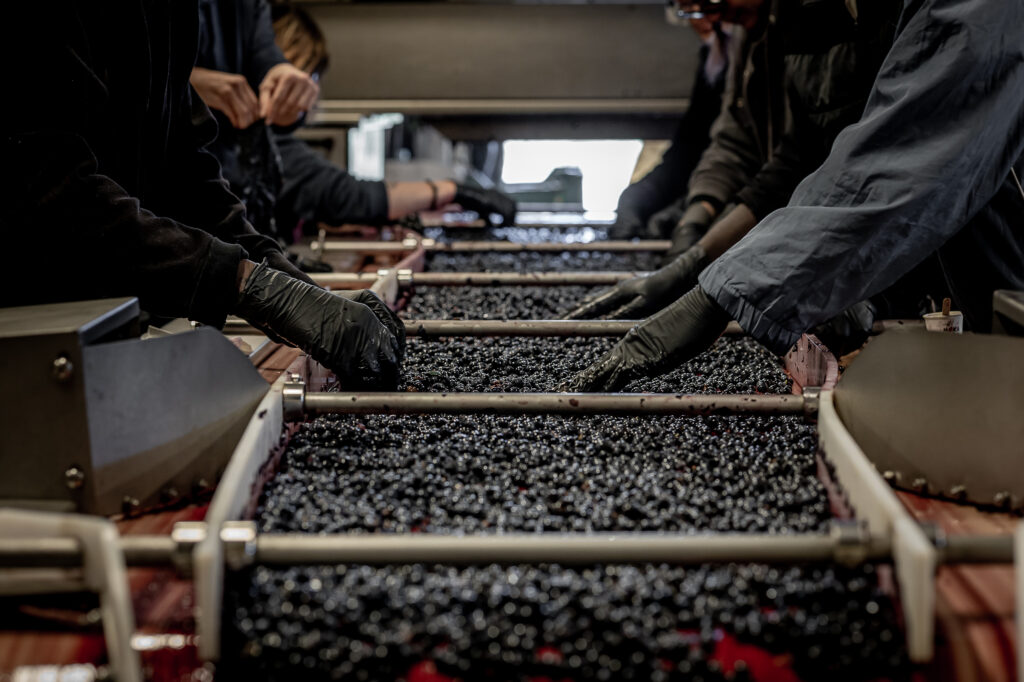
A buzz of activity greeted me as boxes of grapes passed through the vibrating destemmer. Gian Paolo was there, keeping a watchful eye as the grapes were sorted.
The tour continued through each section of the building.
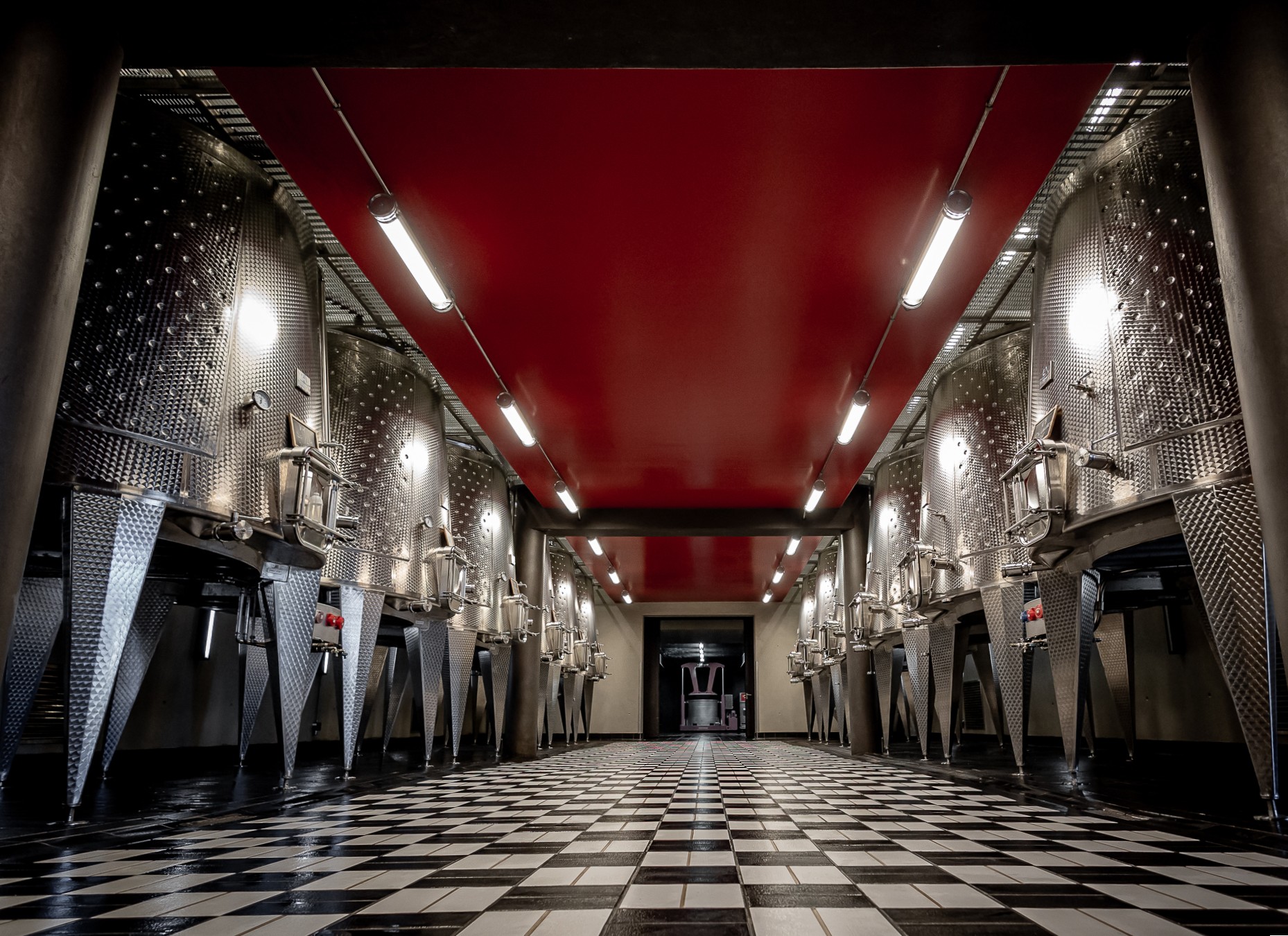
As I entered the upper section, I had the immediate impression of crossing the start-finish line of a Formula 1 circuit. The black-and-white chequered floor tiles are a symbol of Giampaolo’s love of Formula 1.
Yet the symbolism didn’t stop there.
On either side of the chequered walkway were the tops of 12 stainless-steel cylinders, six on each side, representing a Ferrari V12 engine. Above them, the red ceiling pays homage to Ferrari.
For all the talk of Ferraris, engines and racetracks, however, there was an overwhelming sense of practical efficiency.
Above the tanks is a rail-mounted punch-down system, designed not only to make life easier but to reach every part of the tank and ensure uniform processing.
Even the floors have been designed with a slope to ensure efficient drainage during cleaning.
The attention to detail is extraordinary.
Motta’s philosophy is clearly defined:
“If up to the door of the cellar it is nature that is in charge of the game, from that point onwards it is up to mankind to dictate the laws.”
After seeing the winery in action, the philosophy begins to make sense.
The Wines of Tenuta La Massa
Eventually, the tour leads to the part I had been waiting for: the tasting room.
After spending so much time learning about the vineyards, soils and winemaking process, the anticipation of tasting Giampaolo’s wines was palpable.
Giampaolo has a simple yet powerful belief: a great wine is not just a product, but an emotion that endures over time.
Now it was time to discover that philosophy in the glass.
La Massa 2021
The estate’s signature wine — a bridge between nature, vision and identity.
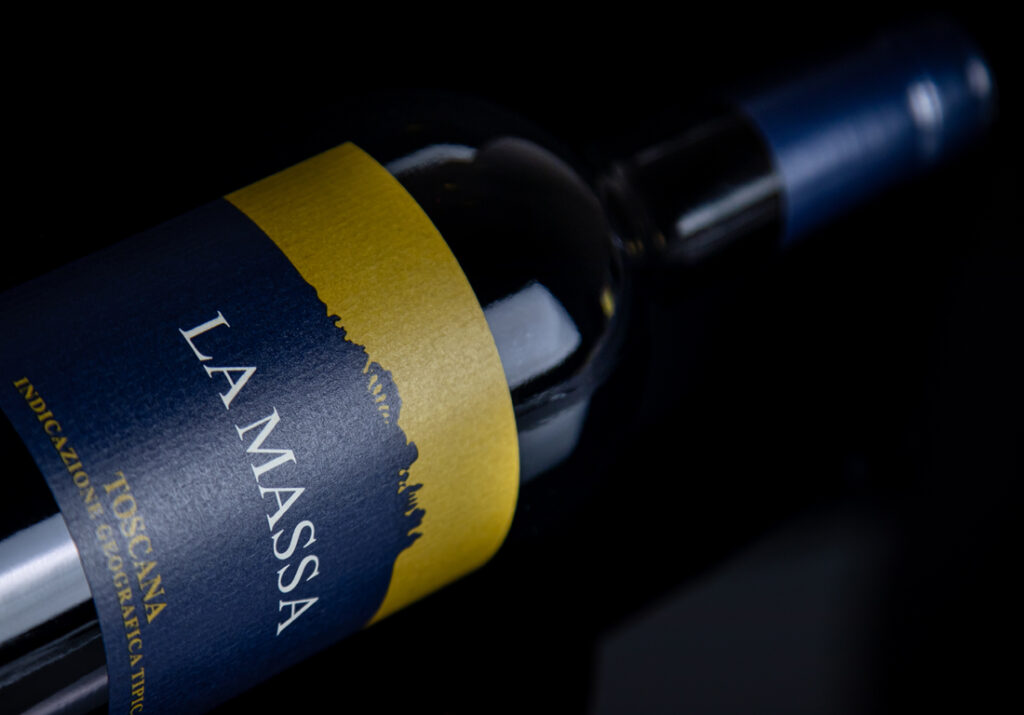
La Massa is a red wine that embodies the essence of the project. It combines Tuscan roots with a Bordeaux influence and is crafted from a blend of Sangiovese, Merlot, Cabernet Sauvignon, Alicante Bouschet and Petit Verdot.
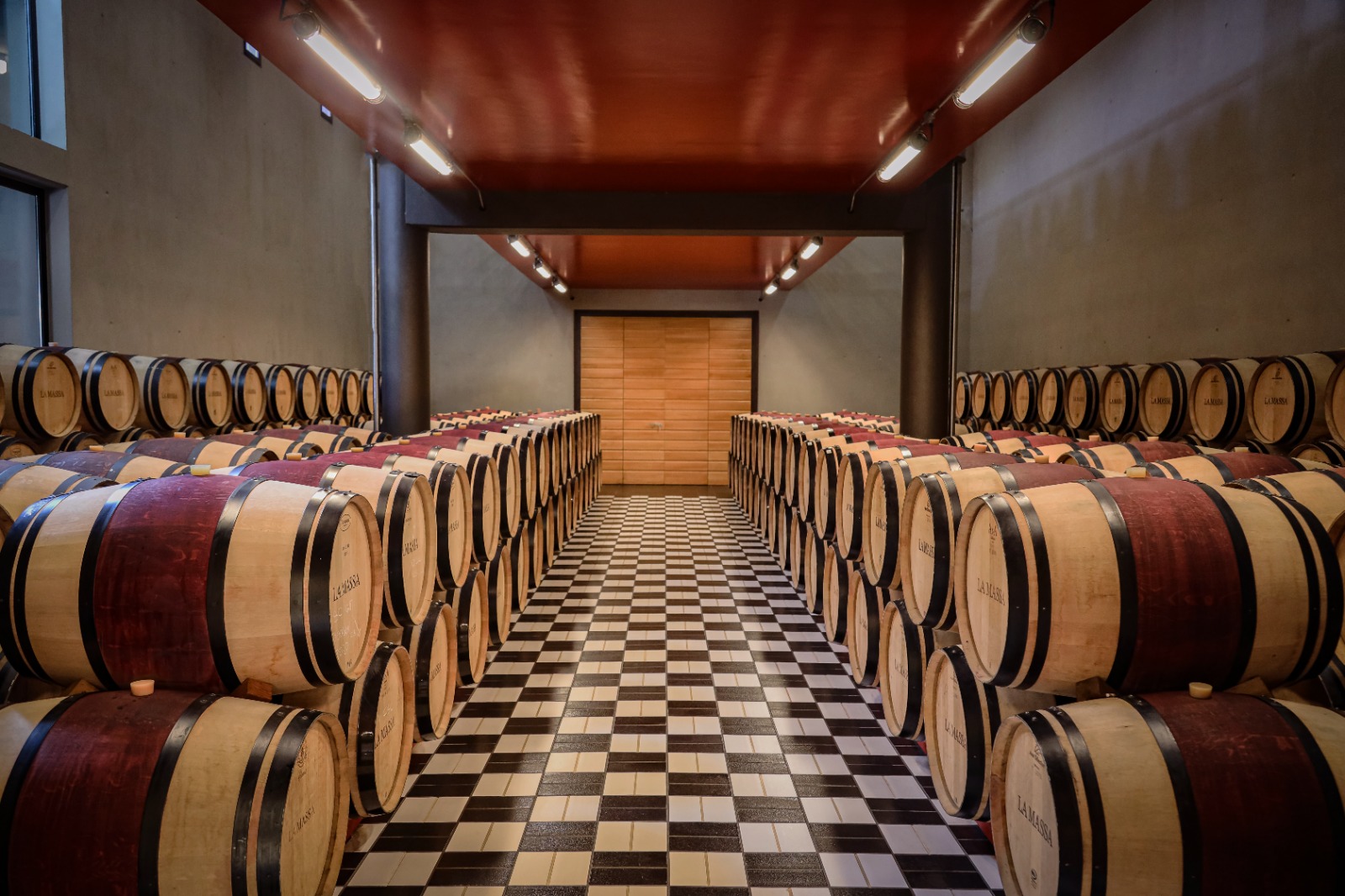
The wine is aged for 12 months in oak barriques and tonneaux before a further 12 months in stainless steel.
The result is an intense and layered wine, with aromas of black cherry, ripe plum, leather, tobacco and sweet spices.
For me, it is a wine that captures the philosophy of Tenuta La Massa particularly well: Tuscan identity combined with a more international approach to winemaking.
La Massa 2021 is a contemporary red — powerful and harmonious — for those looking for depth, tension and style.
Carla 6 2021
The personal challenge with Sangiovese: an identity-driven cru.
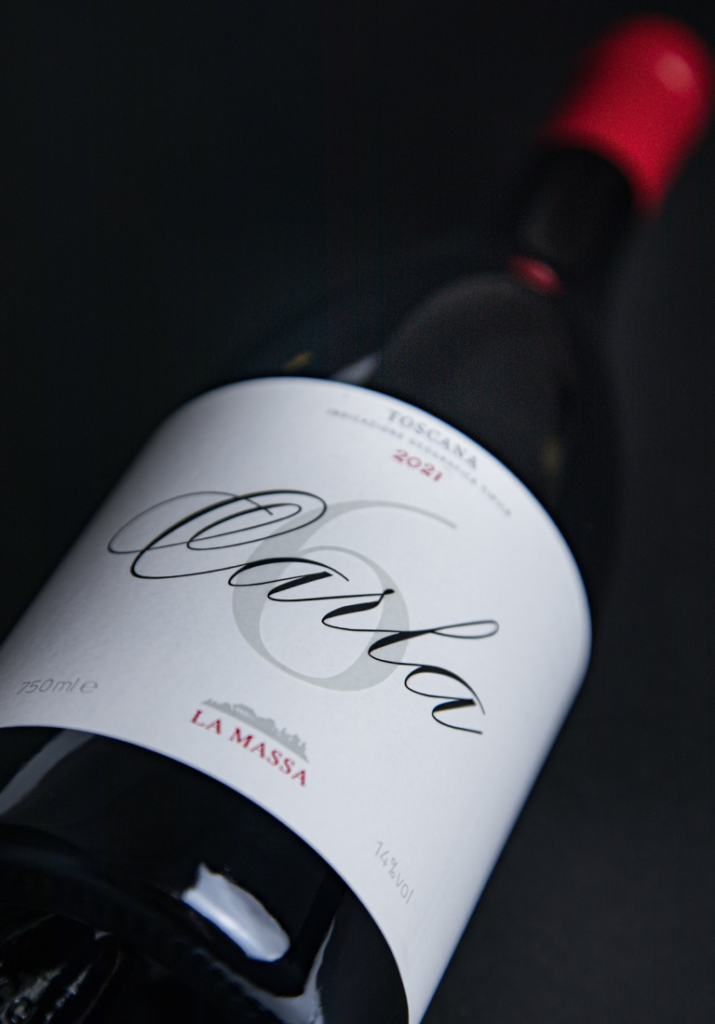
Named after Giampaolo’s daughter, Carla, and the plot reference, number 6, this wine comes from a single parcel identified as particularly suited to Sangiovese.
My educational journey with Sangiovese has been steep. It is one of the most demanding and unpredictable grape varieties, making the story behind Carla 6 particularly fascinating.
Following the detailed studies of the estate’s soils, this single plot was identified for growing Sangiovese.
After selective harvesting, the wine is vinified in stainless steel and aged for 12 months in French oak tonneaux before a further six months of ageing in concrete.
The result is a deep, vibrant wine with intense colour and the purity of 100% Sangiovese.
This is perhaps the wine that most immediately suited my own tastes. I could easily imagine enjoying a glass alongside a beautifully cooked steak.
Carla 6 is a wine of precision and character — one that tells a story of terroir, research and personal challenge.
Giorgio Primo 2021
The estate’s Grand Vin — power, elegance and memory.
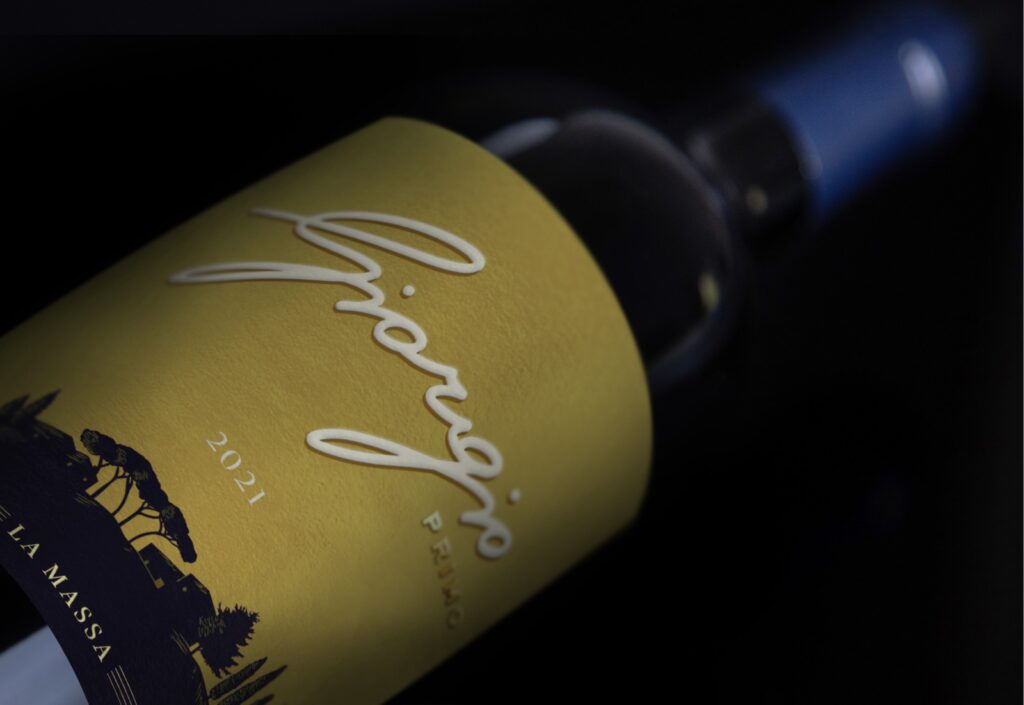
And then there is Giorgio Primo.
The flagship wine of Tenuta La Massa, Giorgio Primo was created as a tribute to Giampaolo’s grandfather.
The 2021 blend is Cabernet Sauvignon (60%), Merlot (35%) and Petit Verdot (5%), making it a classic Bordeaux-style blend with a distinctly Tuscan sense of place.
Aged for 18 months in French oak barriques before a further period of resting, Giorgio Primo represents the most ambitious expression of the Tenuta La Massa philosophy.
It is an iconic Super Tuscan-style wine and a statement of Giampaolo’s winemaking vision.
For me, this is where the story of Tenuta La Massa comes together: the Tuscan landscape, the influence of Bordeaux, the detailed study of the estate’s soils and Giampaolo’s determination to do things his own way.
Giorgio Primo is a wine of defined and sophisticated character, capable of evolving gracefully over time and expressing the complexity of the marlstone and calcareous soils from which it originates.
It is the kind of wine that demands attention.
Where to buy La Massa Wines
Want to raise a glass from the winery of the mercurial Gian Paolo? Here is how.
UK – For those living in the UK, head over to:
For those of you in America, fear not! The Tenuta La Massa works with Viteoak for importing wines to the US.
Why visit Tenuta La Massa?
There are plenty of wineries in Tuscany where you can taste good wine.
What makes a visit to Tenuta La Massa memorable is the opportunity to understand the thinking behind the wine.
Here, the story isn’t simply about grapes going into a bottle. It is about understanding the land, questioning convention and creating wines according to a particular vision.
Gian Paolo Motta didn’t inherit a centuries-old family winery and simply continue its traditions. Tenuta La Massa was born from his own dream and passion for creating great wine.
His journey has brought together the land, his experiences in Bordeaux, his fascination with science and his relentless attention to detail.
Walking through the vineyards and winery, particularly during harvest, gives you a much better understanding of what goes into the wines before you eventually taste them.
And that makes the tasting more meaningful.
My final thoughts on Tenuta La Massa
Tenuta La Massa wasn’t passed down through generations. It was born out of one man’s dream and passion for creating great wine.
It was the beginning of a journey that brought man and nature together — a journey that Gian Paolo is still embracing and, perhaps, still learning from.
He is a meticulous student of the land, a rule breaker and a man with a vision.
His ambition is to create something exceptional from this corner of Tuscany.
“Try to find us if you can.”
Find them I did, and I wasn’t disappointed.
On the contrary, the man behind the story is inspiring, and the attention to detail is mind-blowing.
Oh yeah, apart from all that, the wine isn’t bad either.
And that, ultimately, is why Tenuta La Massa deserves a place on the radar of anyone interested in discovering distinctive Tuscan wines.